Art as a Language: Helping Children Express What Words Can’t
Art as a Language
Art as a Language: Helping Children Express What Words Can’t
Not every child finds it easy to put their feelings into words. Some are naturally shy. Others may face language delays or simply need more time to form their thoughts. For these children, art can become a powerful alternative language a way to speak from the heart without saying a single word.
At Artzclub, we believe that creativity is more than just fun. It’s a tool for self-expression, emotional growth, and connection. Through painting, drawing, sculpture, and other creative activities, children can tell their stories, explore their feelings, and share their ideas — all without the pressure of finding the “right” words.
Why Art Works When Words Fall Short
Art bypasses the limitations of vocabulary.
When children pick up a brush or shape clay in their hands, they’re able to communicate on an emotional level. This is especially important for:
- Children with speech or language delays who struggle to verbally express their needs.
- Shy or introverted kids who may not feel comfortable speaking up in groups.
- Children processing complex emotions such as sadness, excitement, or anxiety.
A drawing of a stormy sky, for example, can say more about a child’s mood than a dozen sentences could.
The Science Behind “Art as a Language”
Research in child development and art therapy shows that art engages both sides of the brain. The right hemisphere processes emotions, imagination, and creativity, while the left handles logic and structure. This means when a child creates art, they’re not just drawing they’re processing feelings, building problem solving skills, and making connections between emotions and actions.
Art also reduces stress and anxiety, allowing children to relax and express themselves more freely. For kids with special needs, including autism, ADHD, or speech delays, art offers an alternative pathway to communication.
The Emotional Benefits of Artistic Expression
Releases emotions safely – Art provides a healthy outlet for feelings like frustration, anger, or sadness, allowing children to “let it out” in a controlled and creative way.
Boosts confidence – Completing a piece of artwork gives children a sense of pride and accomplishment.
Encourages mindfulness – Focusing on colours, textures, and patterns can calm the mind and reduce stress.
Strengthens identity – Every piece of art reflects personal choices, helping children understand themselves better.
Art as a Bridge for Communication
Art can also become a bridge between children and the people in their lives. Parents, teachers, and peers can gain insights into a child’s inner world by observing their creations.
For example:
- A child drawing a family holding hands might be expressing feelings of safety and love.
- A repeated use of certain colors could signal emotional states that deserve attention.
In therapy settings, art is often used alongside conversation. A child might start with a drawing, then feel more comfortable talking about it, gradually building their verbal communication skills.
How Artzclub Brings This to Life
At Artzclub, our art programs are designed with both fun and growth in mind. We provide:
- Guided creative sessions that introduce new techniques while leaving space for personal interpretation.
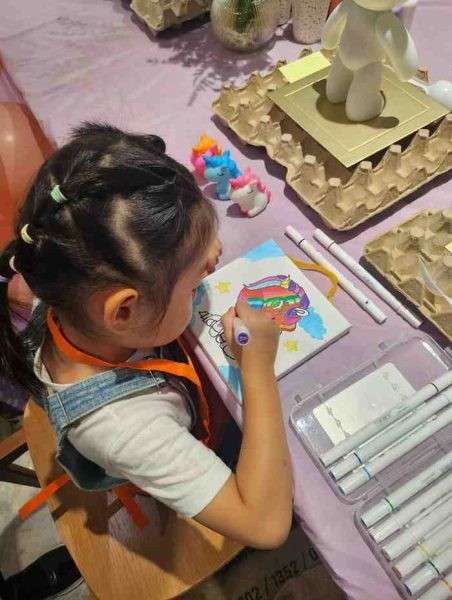
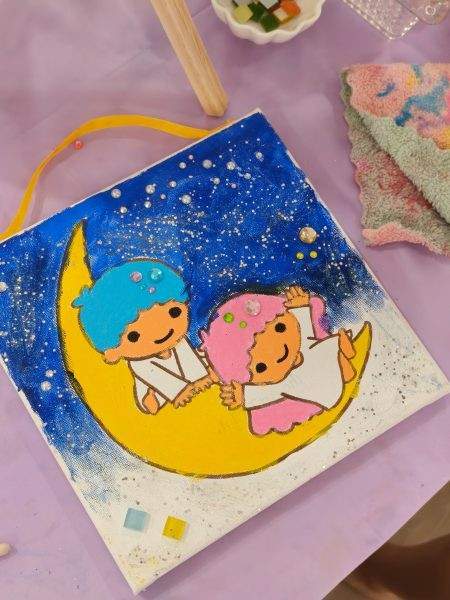
- Freedom to choose materials — from watercolours to mixed media — so children can explore what feels right for them.
- Safe, encouraging environments where every creation is valued and celebrated.
Our instructors are trained to look beyond the artwork itself, paying attention to the emotions and ideas a child may be communicating.
Practical Ways to Encourage Art as a Language at Home
Parents can help their children explore art as a form of communication by:
- Keeping basic art supplies (paper, crayons, paints) easily accessible.
- Encouraging “art time” without worrying about mess or perfection.
- Asking open-ended questions like, “Tell me about your drawing” instead of “What is this?”
- Joining in the activity to make it a shared experience rather than an assignment.
When Art Unlocks New Possibilities
Many parents are surprised at how much their children “say” through art. A child who seems quiet in daily life may reveal incredible imagination and emotional depth through colors, shapes, and scenes. For some, art even becomes a stepping stone to improved verbal skills, as they gain confidence and self awareness.
Final Thoughts
Art is more than just a pastime. For many children, it’s a language of emotion, imagination, and connection. It allows them to share their world in a way that words sometimes can’t capture. By recognising and encouraging this form of expression, we give children a gift — the ability to speak their truth in a way that feels natural and safe.
At Artzclub, we are passionate about helping children unlock this creative language. Every brushstroke, every color choice, and every handmade sculpture is a story waiting to be heard.
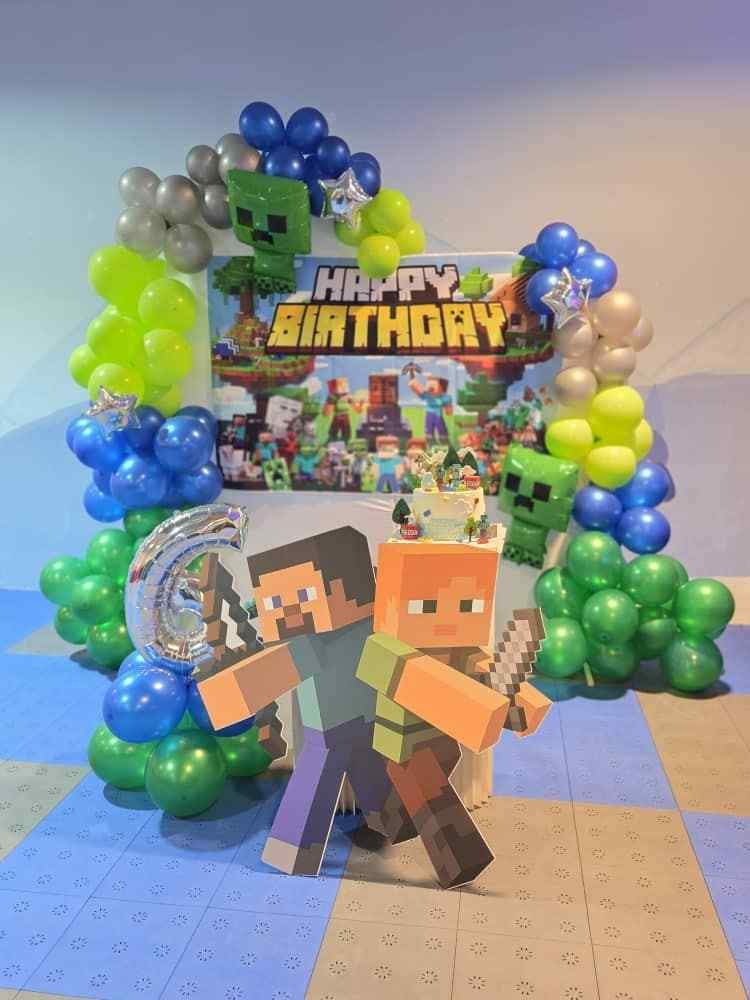
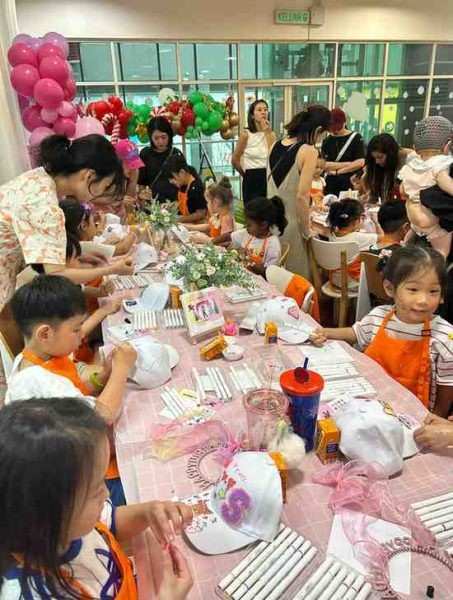
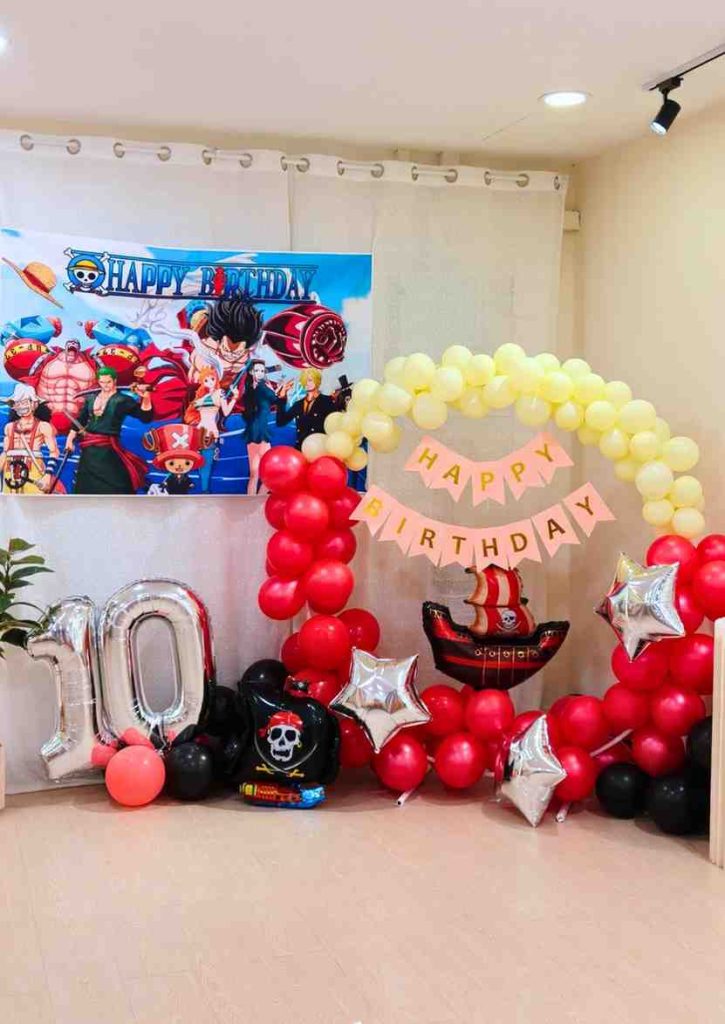
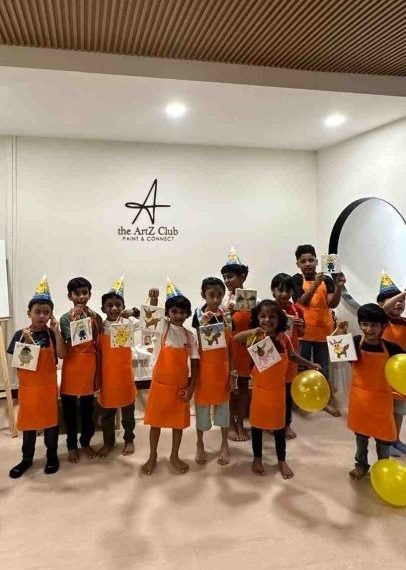
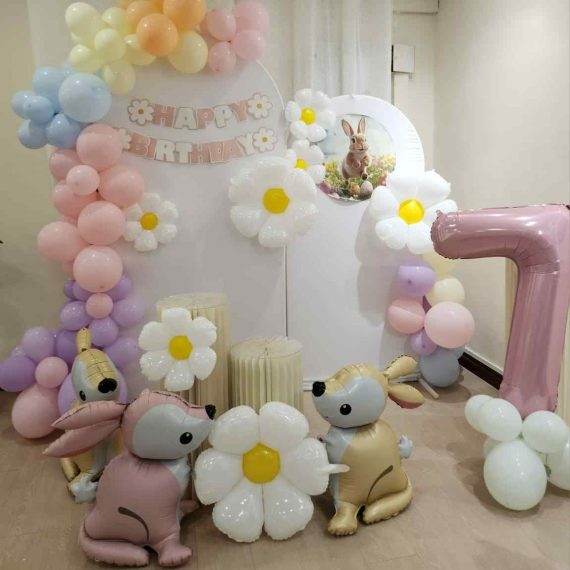
Party we have done