Why Every Classroom Needs Creative Corners for Kids’ Growth
Introduction
Every child is born with creativity, yet the classroom environment often determines whether that spark flourishes or fades. Creative corners—dedicated spaces in classrooms where children can explore art, imagination, and expression—are no longer a luxury but a necessity. They help children think differently, problem-solve, relax, and discover new talents. In today’s fast-changing world, fostering creativity is just as important as teaching math or science.
This article explores why every classroom should include creative corners, how they benefit children’s growth, and how parents and educators can work together to make them effective.
Why Every Classroom Should Include Creative Corners
Nurturing Creativity and Imagination
A creative corner encourages children to experiment with colors, shapes and ideas without fear of making mistakes. Unlike structured subjects, these corners allow free expression helping children imagine new worlds, stories and inventions.
- It inspires curiosity and wonder.
- It teaches kids that mistakes are part of learning.
- It builds confidence in expressing original thoughts.
When children learn that their imagination matters, they grow up to be adults who can innovate and think beyond boundaries.
Enhancing Emotional Expression
Sometimes, children find it difficult to express how they feel through words. Creative activities like drawing, painting and storytelling give them a safe outlet for emotions.
- A shy child may draw pictures to share their feelings.
- A child experiencing stress may find calm through coloring.
- A child dealing with change may role-play or craft to process emotions.
Creative corners thus become emotional support systems within classrooms, helping children develop healthier coping skills.
Boosting Problem-Solving and Critical Thinking
Creative corners are not just about fun they are also about building essential life skills. When children build, craft or design, they are solving problems:
- “How do I make this structure stand?”
- “What colors will mix to get the shade I want?”
- “How can I show my idea in a new way?”
This kind of thinking develops innovation, resilience and flexibility, skills that are crucial for future leaders and innovators.
Supporting Social Skills and Teamwork
Creative corners also create opportunities for collaboration. Children may work together on projects, share materials, and exchange ideas.
- They learn respect and patience when waiting for tools.
- They develop empathy when they appreciate a classmate’s artwork.
- They practice teamwork by combining ideas into a group project.
By encouraging interaction, creative corners strengthen social bonds and teach children how to work together effectively.
Bridging Different Learning Styles
Every child learns differently. Some excel in reading, others in movement, while many thrive in hands-on experiences. Creative corners provide a multi-sensory learning environment:
- Visual learners enjoy drawing and observing.
- Kinesthetic learners build, sculpt, or craft.
- Auditory learners share stories or use rhythm in art.
This inclusivity ensures no child feels left behind, making learning enjoyable for all.
Reducing Stress and Improving Focus
Classrooms can sometimes feel overwhelming with constant lessons, exams, and expectations. Creative corners serve as mini sanctuaries where children can relax and recharge. Studies show that engaging in art reduces stress hormones and improves attention span. After a short creative break, children often return to tasks with better focus and energy.
Encouraging Lifelong Appreciation for Art and Creativity
When children are exposed to creative corners early in life, they develop an appreciation for art, design, and self-expression. Even if they do not become artists, they carry with them:
- The ability to appreciate beauty in daily life.
- The skill to think creatively in problem-solving.
- The habit of using creativity to cope with challenges.
In other words, creative corners plant seeds for lifelong growth and balance.
Practical Ideas for Classroom Creative Corners
Parents and teachers often ask: What should go into a creative corner? Here are a few simple yet powerful suggestions:
- Art Station: crayons, paints, markers, and recycled materials.
- Imagination Box: costumes, puppets, and role-play props.
- Building Area: blocks, LEGO, or clay for construction play.
- Storytelling Corner: picture books, blank story cards, and drawing boards.
- Music Space: simple instruments like tambourines, shakers, or xylophones.
The goal is not perfection, but providing children with tools and freedom to explore.
Parent-Friendly Tips to Support Creative Corners
- Encourage Expression: Remind your child that art has no “right” or “wrong.”
- Celebrate Effort, Not Just Results: Display their work at home, even if it’s simple.
- Provide Materials at Home: Recycled boxes, old magazines, or cloth scraps can become art supplies.
- Ask Open-Ended Questions: Instead of “What is this?” try “Tell me about your artwork.”
- Model Creativity: Join in the fun—paint, craft, or build together with your child.
These practices reinforce what children experience in school and help extend creativity into everyday life.
Conclusion: Why Every Classroom Needs Creative Corners
In today’s world, where creativity is a key skill for success, creative corners are more than just play areas—they are essential learning spaces. They help children express emotions, solve problems, collaborate, and appreciate different ways of learning.
When schools and parents recognize the value of these spaces, they empower children to grow into confident, imaginative, and well-rounded individuals.
That’s why every classroom should include creative corners—because they are not just about art, but about nurturing the leaders and thinkers of tomorrow.
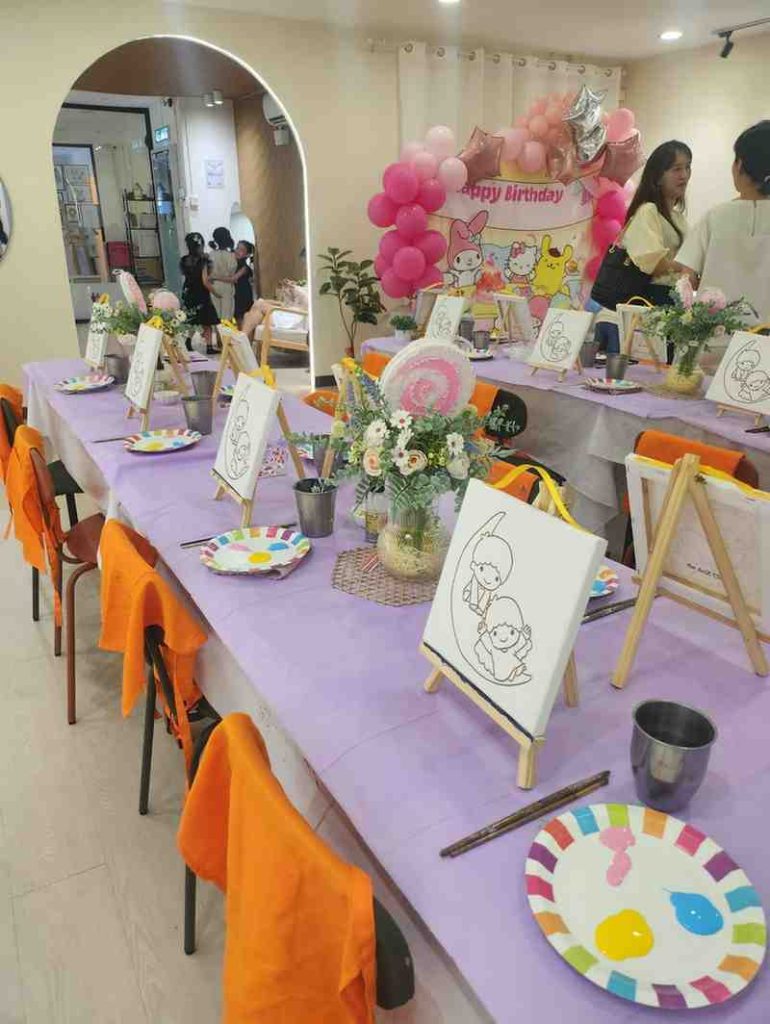
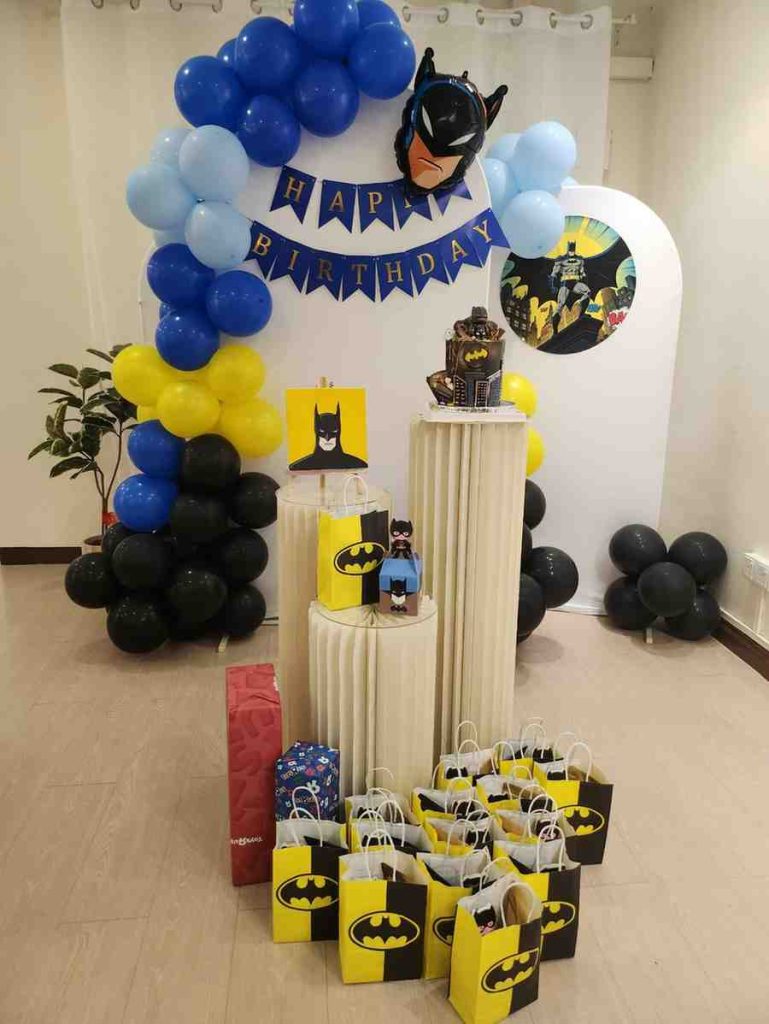
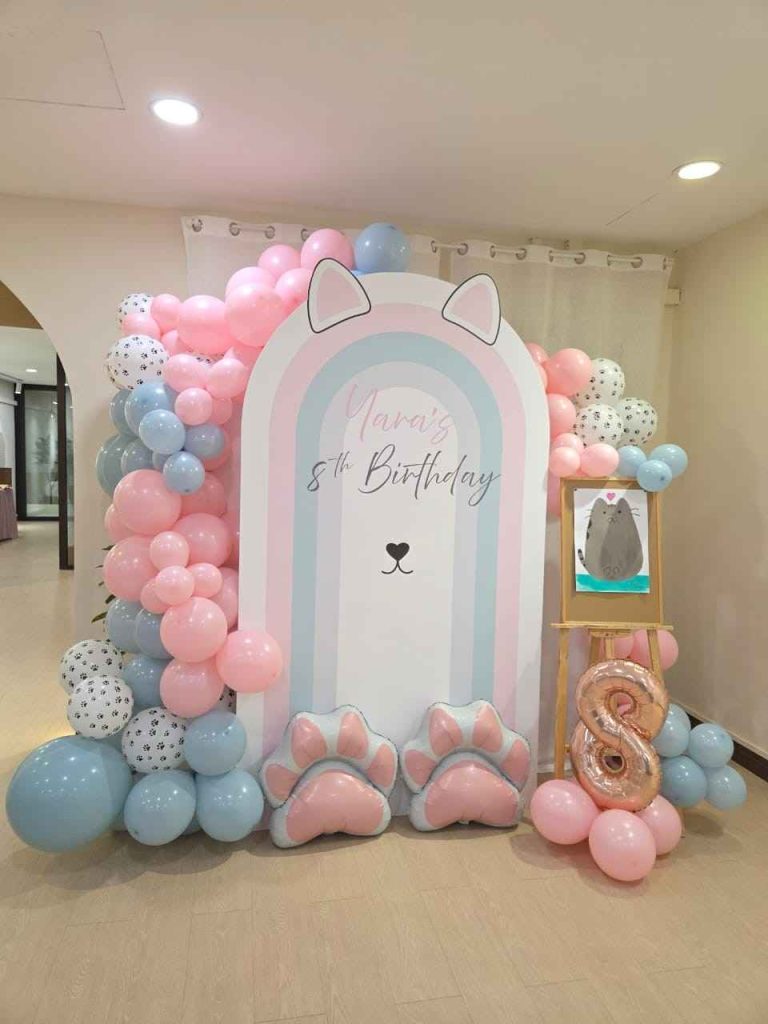
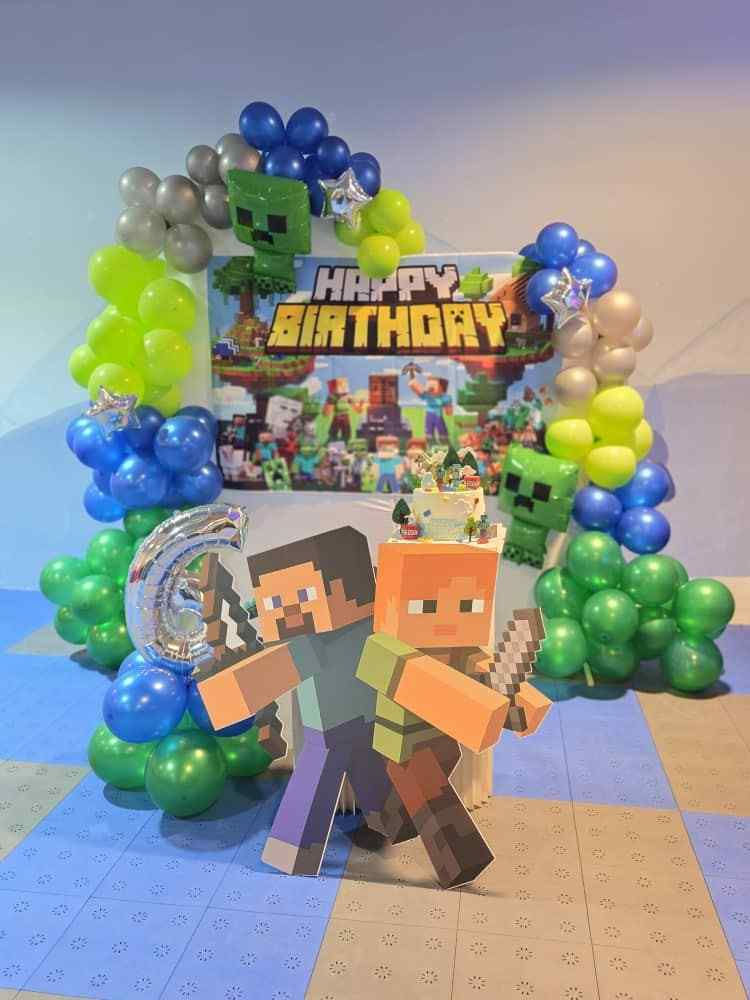
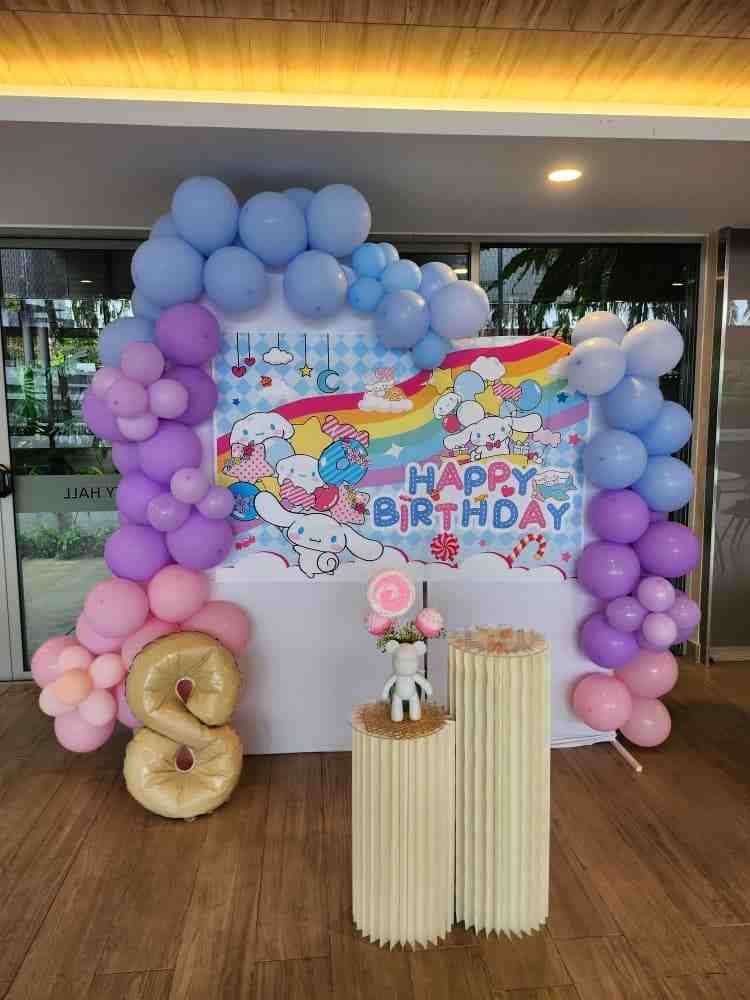
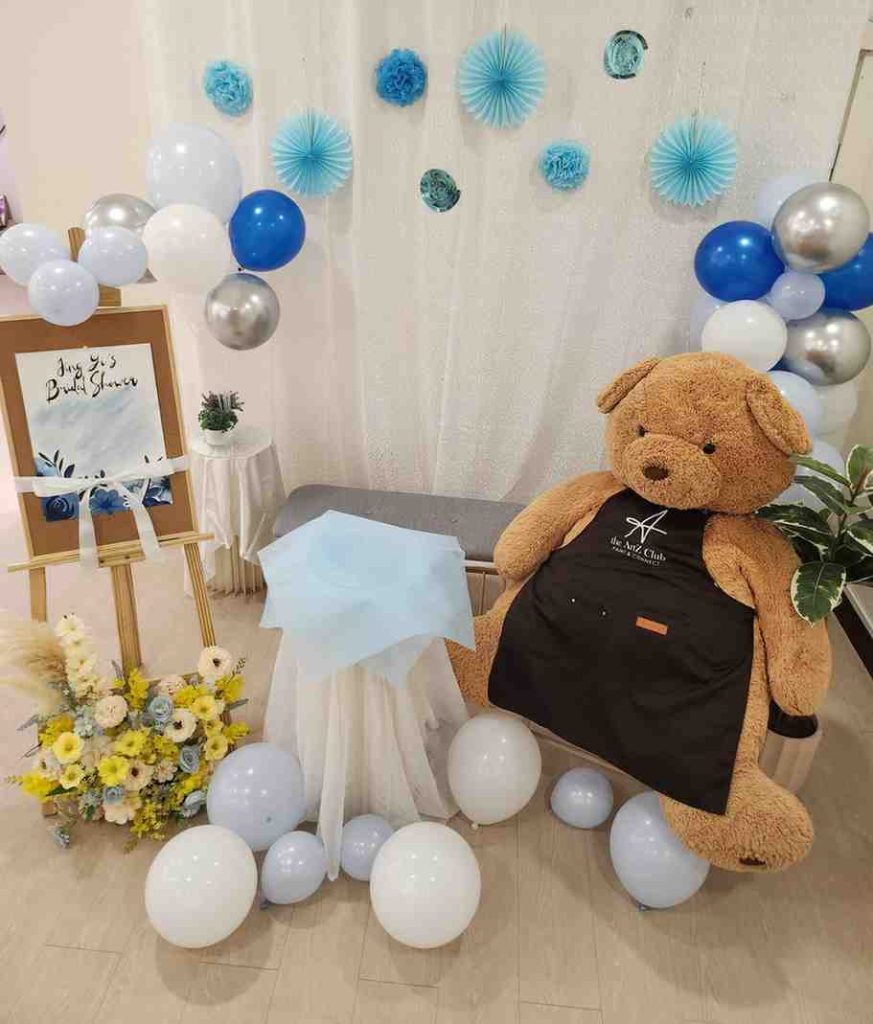
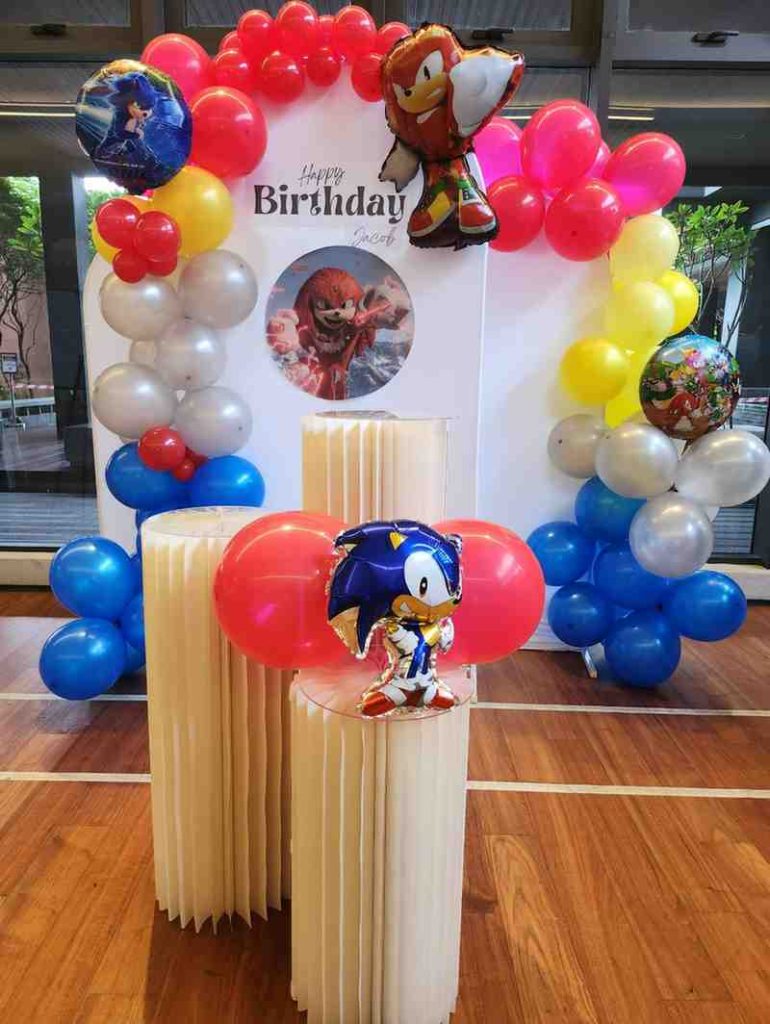
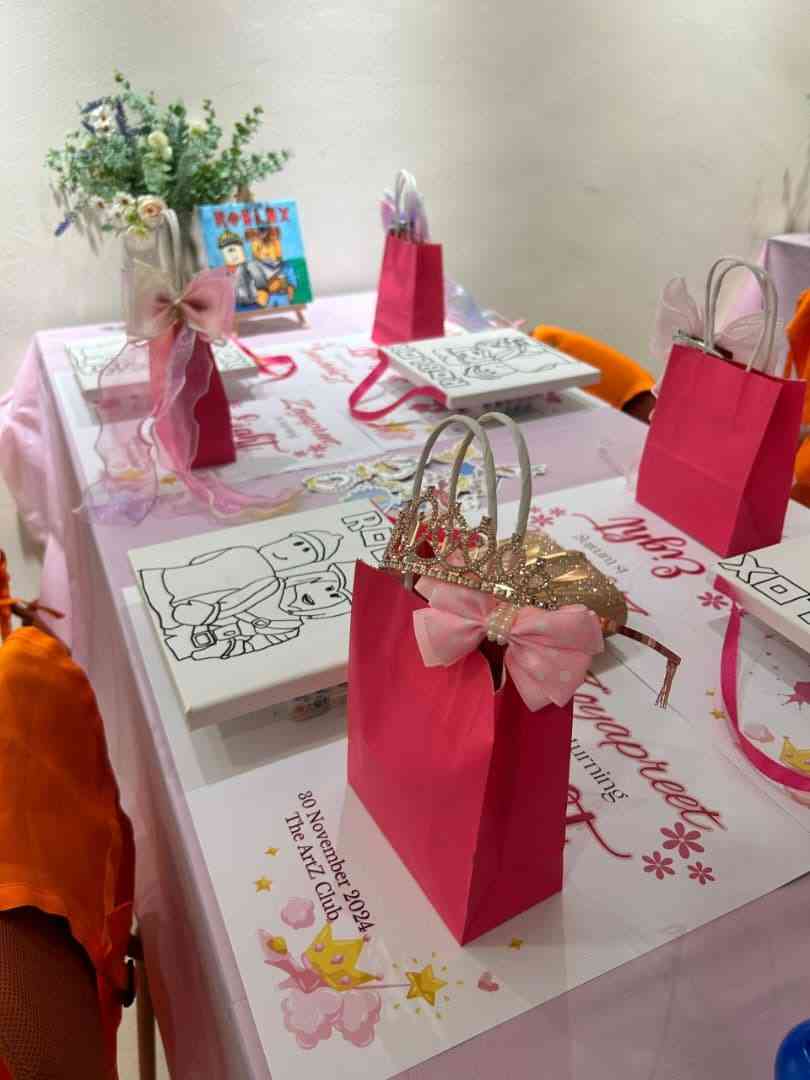
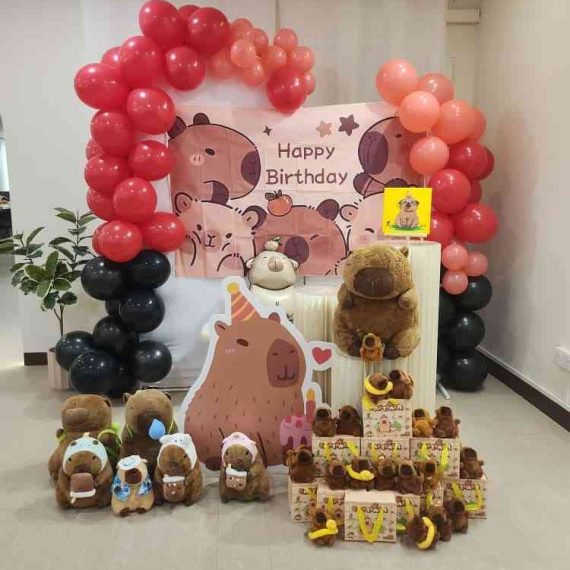
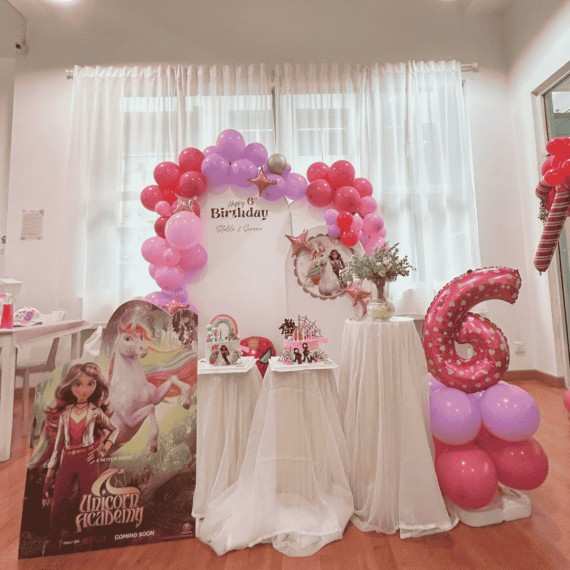
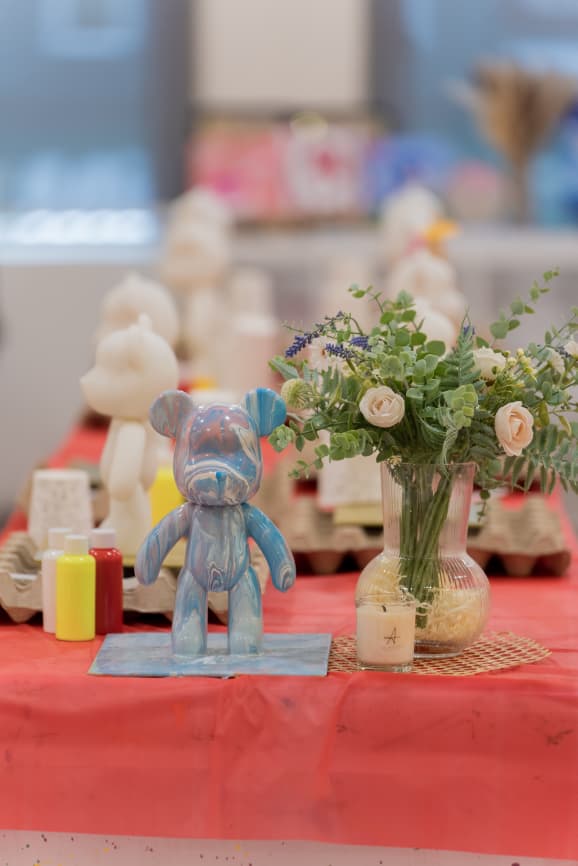
Party we have done